
THE FIVE-PHASE FRAMEWORK
The BRĒTH Method™ Protocol
The BRĒTH Method™ follows a structured five-phase framework designed to evaluate, correct, and guide healthy development.
WHO IT’S FOR

Early Signs of Airway Dysfunction
Parents often seek evaluation when symptoms appear unrelated to dental development.
Common indicators include:
- Chronic mouth breathing
- Snoring or restless sleep
- Teeth grinding
- Bedwetting beyond typical developmental age
- Inattention or hyperactivity
- Crowding or misalignment
- Enlarged tonsils or adenoids
- Dark circles under the eyes
These signs may point to compromised airway development during a critical growth phase.
TIMING MATTERS
The Critical Growth Window
The most responsive developmental period typically occurs between ages three and eight.
During this window, skeletal structures remain highly adaptable. Guided intervention during this stage often allows for less invasive correction and more stable long-term outcomes.
Treatment duration typically ranges from nine to eighteen months, depending on severity and growth response.

OLDER CHILDREN & ADVANCED EXPANSION
When Skeletal Maturity Changes the Approach
As children approach nine or ten years of age, the midpalatal suture begins to mature, limiting traditional expansion techniques.
In appropriate cases, Miniscrew Assisted Rapid Palatal Expansion (MARPE) may be evaluated.
MARPE increases internasal width and nasal cavity volume, enhancing airflow and supporting nitric oxide production, a physiological benefit of nasal respiration that improves oxygen exchange and airway efficiency.
What Makes BRETH Different
Addressing Root Causes – Not Just Alignment
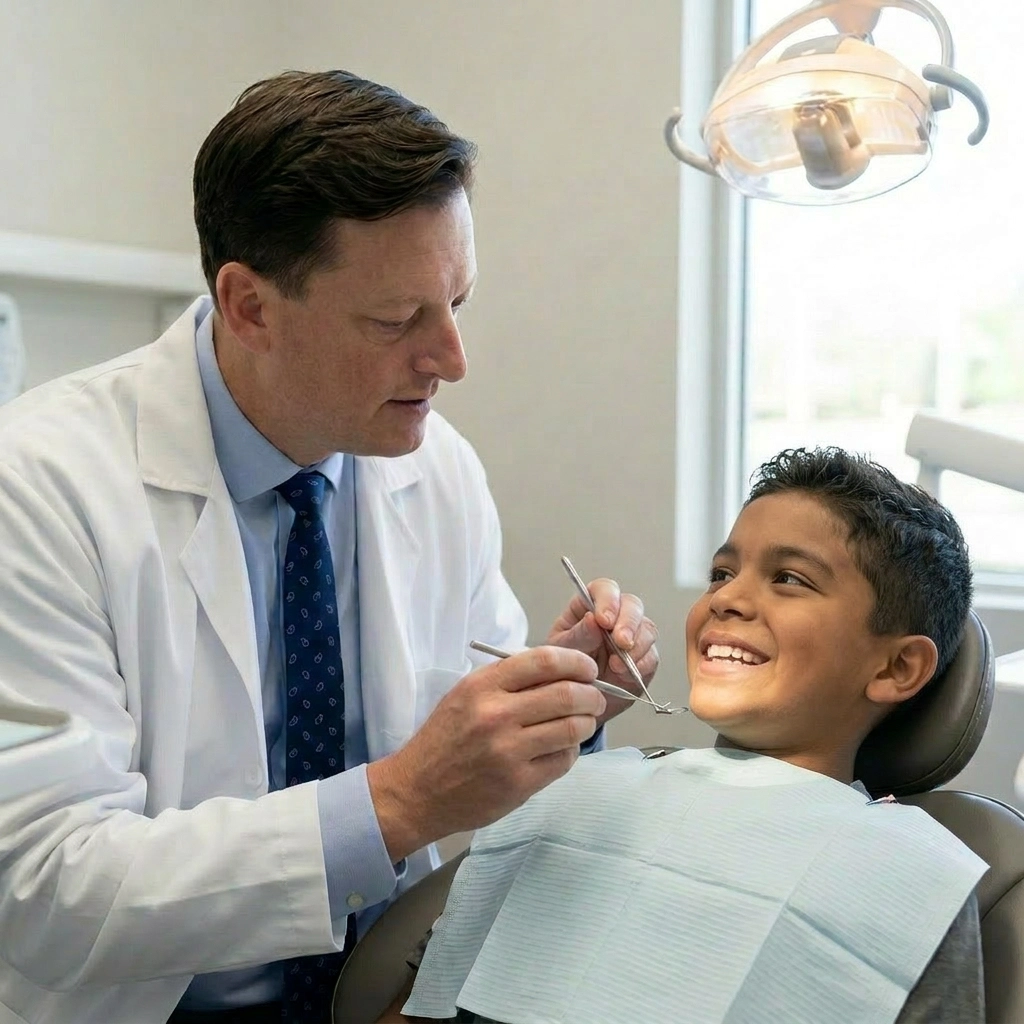
Conventional orthodontics often focuses on straightening teeth and correcting bite relationships.
The BRĒTH Method™ prioritizes airway health, craniofacial structure, and muscle function as foundational drivers of development.
By targeting these underlying systems, the approach often reduces the need for extractions, prolonged orthodontics, or reactive interventions later in adolescence.
A PROACTIVE MODEL
Earlier Evaluation. Healthier Development
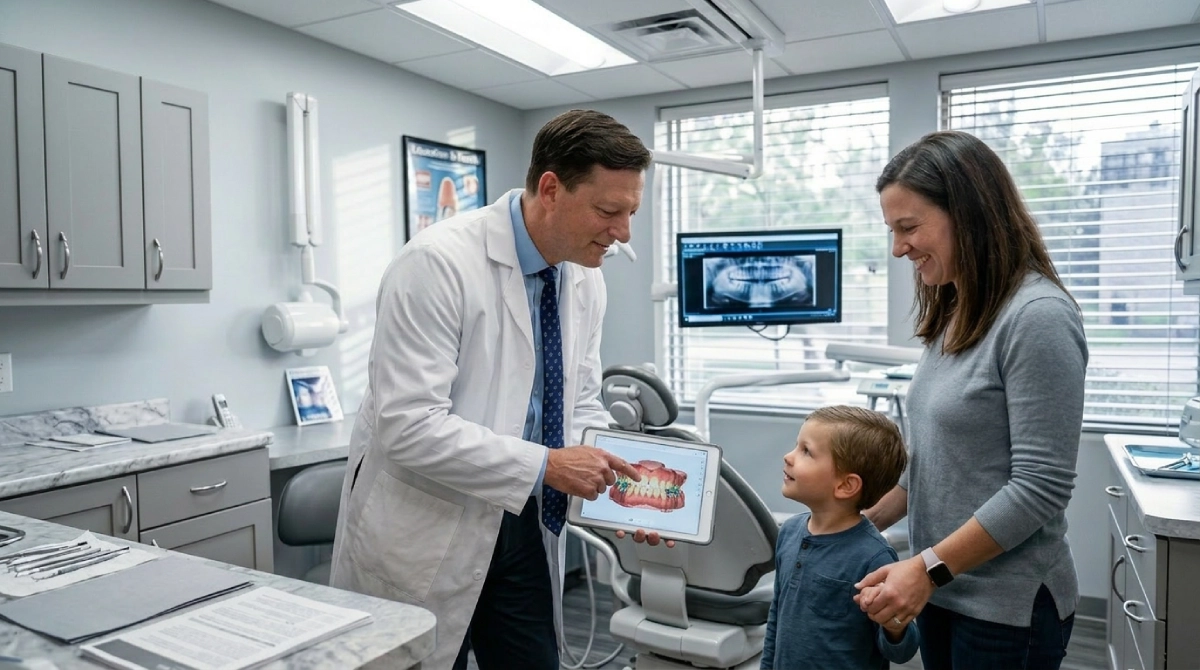
The American Association of Orthodontists recommends evaluation by age seven.
The BRĒTH Method™ supports airway-focused assessment even earlier when indicated – during the period when growth remains most responsive.
This proactive model aims to simplify treatment, improve sleep quality, and support healthier long-term development.