
Course Overview
Educational Framework:
This advanced seminar provides a complete framework for implementing BRĒTH™ within your practice. Participants leave with diagnostic clarity, procedural confidence, and structured integration systems.
Determining Appropriate Candidacy
Structured screening protocols and diagnostic criteria.
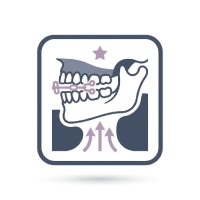
Performing the BRĒTH™ Procedure
Step-by-step procedural instruction for safe and predictable application.
Structured Follow-Up Protocols
Monitoring intervals, growth tracking, and documentation systems.
Parent Communication Framework
Clear, confident explanation models for informed consent and education.
Practice Integration Strategy
Scheduling, team calibration, workflow adjustments, and positioning.
Clinical Case Review & Troubleshooting
Real-world case breakdowns and implementation scenarios.
Objectives
Key Learning Outcomes
This program is designed to provide clinicians with a structured, repeatable framework for implementing pediatric dental airway therapy. Participants will leave with diagnostic clarity, procedural confidence, and a defined integration model that supports long-term clinical success.
Structured Airway Assessment
Develop a standardized screening and diagnostic process to identify pediatric patients who may benefit from airway-focused intervention. Learn to evaluate structural and functional indicators with clinical precision.
Procedural Execution
Gain step-by-step clarity on performing the BRĒTH™ protocol safely and predictably. Understand sequencing, case preparation, and procedural considerations that support consistent outcomes.
Data & Follow-Up Systems
Establish measurable follow-up intervals and documentation strategies that allow you to monitor development, track progress, and support long-term case stability.
Practice Integration
Learn how to incorporate pediatric airway therapy into everyday workflow — including team calibration, scheduling structure, patient communication, and positioning within your service model.
Schedule (Two Day Course)
Day 1
Day 2
Day 2
We establish diagnostic clarity and foundational treatment protocols
Foundations: Evaluation & Early Intervention
8:00 AM – 12:00 PM | Airway Diagnostics & Assessment
- Airway development fundamentals in children and teens
- Recognizing clinical signs and symptom patterns
- Comprehensive airway evaluation protocols
- CBCT, panoramic, and cephalometric imaging interpretation
- Age-based assessment considerations
- Referral criteria for ENT and myofunctional therapy
1:00 PM – 5:00 PM | Early Treatment & Clinical Application
- Tongue tie diagnosis and laser release protocols
- MyoMunchee implementation for ages 3–7
- Integration of early intervention strategies
- Parent communication models
- Case-based review and group discussion
We transition from procedural execution to scalable practice integration.
Expansion Protocols & Practice Integration
8:00 AM – 12:00 PM | Expansion by Developmental Stage
- Age-specific expansion therapies
- RPE protocols (ages 3–7)
- Transitional approaches (7–9)
- MARPE implementation (9+)
- Clinical comparison of MARPE vs traditional expanders
- Stability, skeletal effects, and airway volume considerations
- Case-based expansion planning
1:00 PM – 5:00 PM | Implementation & Growth Blueprint
- Step-by-step practice growth blueprint
- Team calibration and workflow design
- Referral network development
- Marketing and patient education strategy
- KPI tracking and airway revenue modeling
Additional Details

Course Format
Two full days of in-person instruction combining structured lectures, case-based discussion, visual diagnostics review, and guided implementation planning.
Materials Provided
Participants receive a digital workbook including diagnostic checklists, evaluation templates, communication frameworks, and implementation tools designed for immediate clinical use.
Continuing Education
16 CE hours
Who Should Attend
Pediatric dentists, orthodontists, general dentists, and clinical team members seeking structured implementation of airway-focused therapy. No prior airway experience required.
Implementation Focus
This training is designed for immediate clinical adoption, not conceptual exploration. Attendees leave with defined protocols and integration systems.